
When Rights Collide
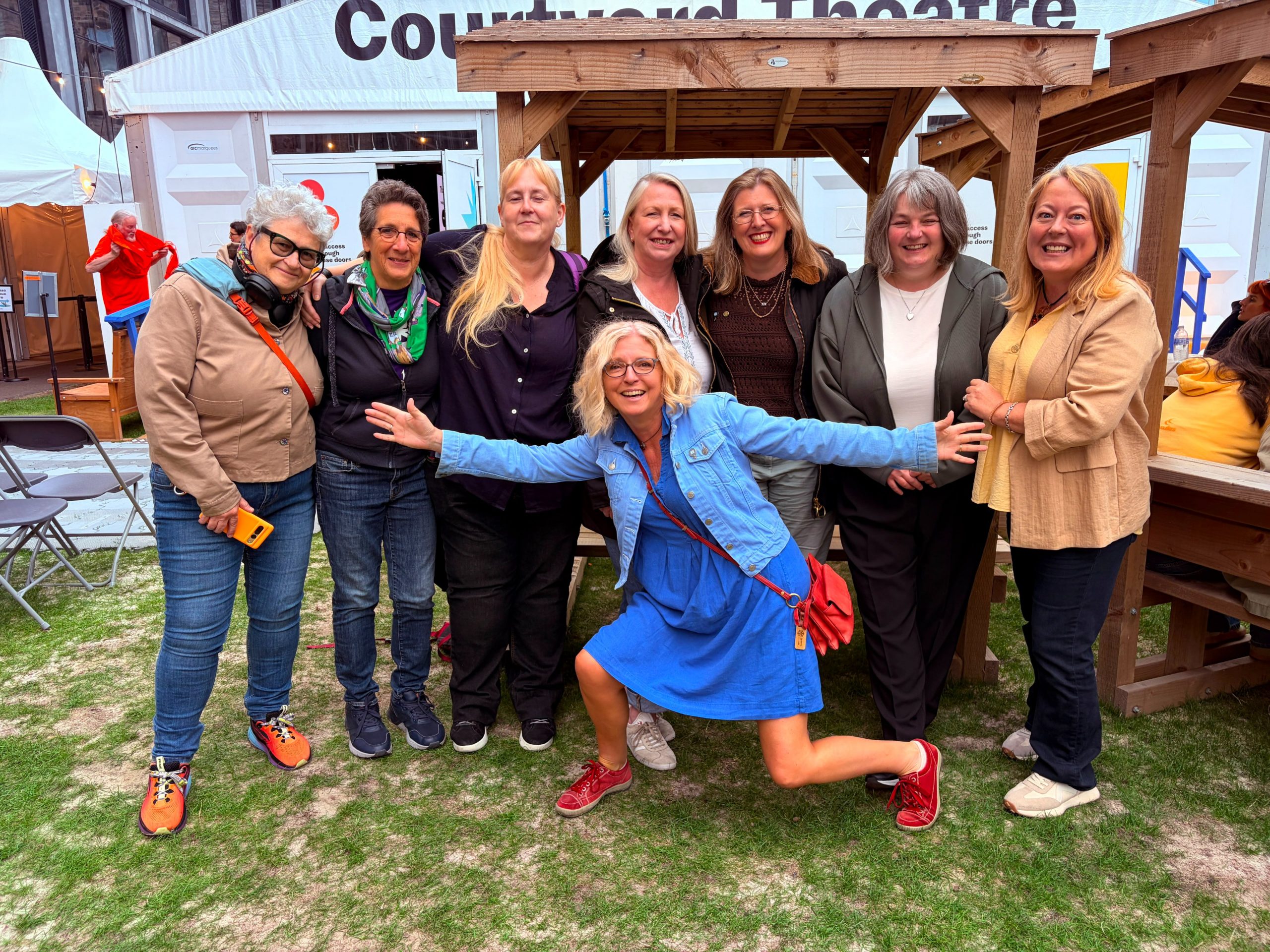
We attended When Rights Collide at the Edinburgh International Book Festival on 16th August. This event was chaired by Catriona Stewart and featured Baroness Brenda Hale, Karon Monaghan KC, and Keio Yoshida, and was billed as exploring the Supreme Court’s recent ruling on the legal definition of a woman and what it means in practice. Despite being the party who brought the case, neither us nor any of our legal team were invited to speak.
We didn’t ask questions because we couldn’t really think of anything we didn’t know and Catriona Stewart wisely said no statements. Instead, we will set our thoughts out here.
Keio Yoshida said that transmen were not considered in the ruling, this isn’t true. The judges ruled that if a certificated sex reading was used, this would deny pregnancy and maternity protections to transmen who, nevertheless, could fall pregnant. More broadly, we agree that transmen are often relegated – probably because of their sex!
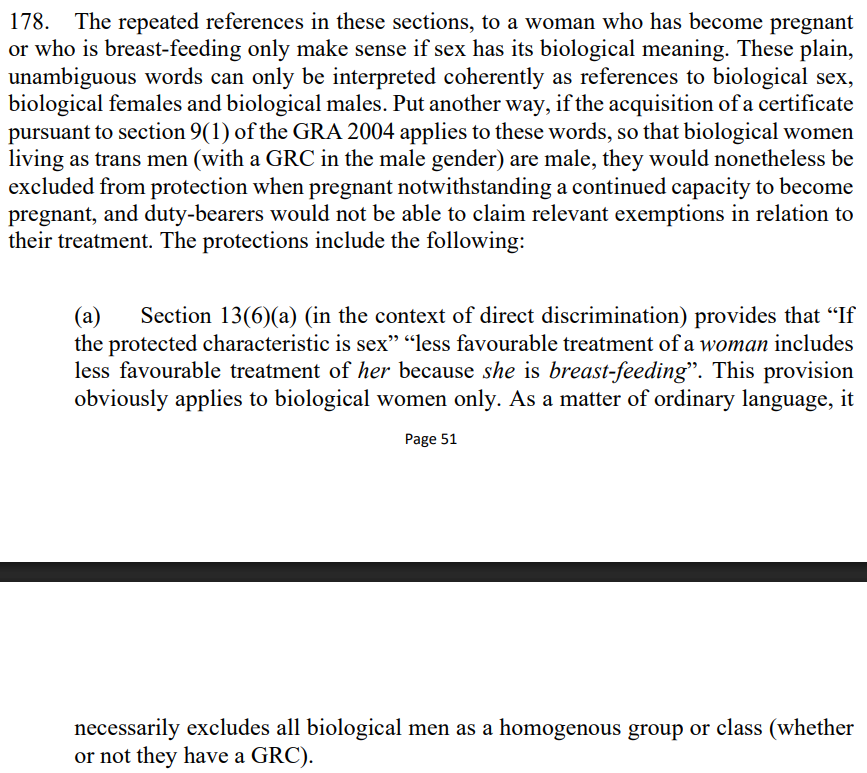
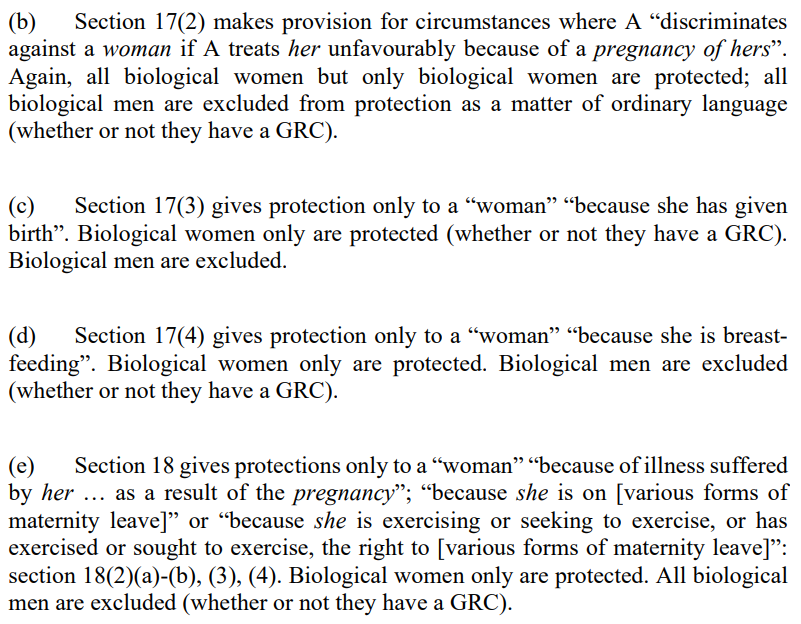
Para 178 of the Supreme Court judgment in FWS v Scottish Ministers
Lady Hale made a very unfortunate comment about differences of sex development (DSDs), which she called “intersex”. Her understanding on this topic is very out of date. We would urge her to employ more sensitivity and, certainly, not to lump people with medical conditions into the identity box.
A great deal was made of the lack of discussion of Human Rights law in the ruling. Both Karon and Lady Hale felt that it would probably have made no difference to the outcome but Lady Hale and Keio Yoshida would have liked to have seen the reasoning set out.
It is a shame, therefore, that there was no mention of FWS3 in which the Scottish Government largely relied on a Convention Rights argument to justify placing male trans prisoners in the female estate. These arguments were comprehensively rejected by the court.
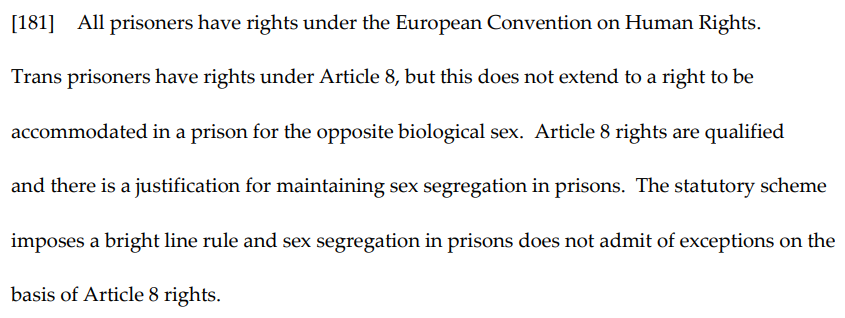
Para 181 of the Court of Session judgment in FWS v Scottish Ministers on the prison guidance
Yoshida also lamented the lack of interventions from trans organisations. As Yoshida knows, anyone can apply to intervene at the Supreme Court. The fault is not with the court but with the organisations that failed to take the opportunity. In fact, Equality Network/Scottish Trans did intervene earlier in our cases. Nothing prevented them doing so again.
We believe trans organisations chose not to get involved because they would have been in the tricky position of arguing that those with a Gender Recognition Certificate should be treated differently to those without. These groups have consistently pushed the unlawful idea that access is based on self-id not certification.
The individuals who unsuccessfully applied to intervene have GRCs. Perhaps their supporters are unaware that they believe they should be granted heightened “rights”. Neither of these people has ever published their arguments.
Lady Hale was very emphatic that heterosexual men are not lesbians and felt the self-id campaign had been too driven by testosterone. She still thought, however, that there should be accommodations for the long-transitioned “true trans”. But her old-school transsexuals are very much a minority and there is no way to legislate for accommodation based on passing, hormones, surgery, etc.
Two male audience members asked questions and they both were fully in favour of pushing men into women’s spaces. One said they should be in a women’s prison and we shouldn’t be trying to prevent assaults that might never happen. Thankfully, Karon gave him both barrels!
We are glad that there was some recognition of the case and that Karon was able to deal with many myths, but we are still deeply upset that, apparently, Jenny Niven (CEO of Edinburgh International Book Festival) thinks that we, who know the case intimately, are far too dangerous to platform.
At some point, we hope the egregious omission of books by, amongst others, Susan Dalgety and Lucy Hunter Blackburn, Jenny Lindsay, Joanna Cherry and the unequal platforming of trans activists is recognised. Truth matters and Edinburgh International Book Festival should ensure fair representation.
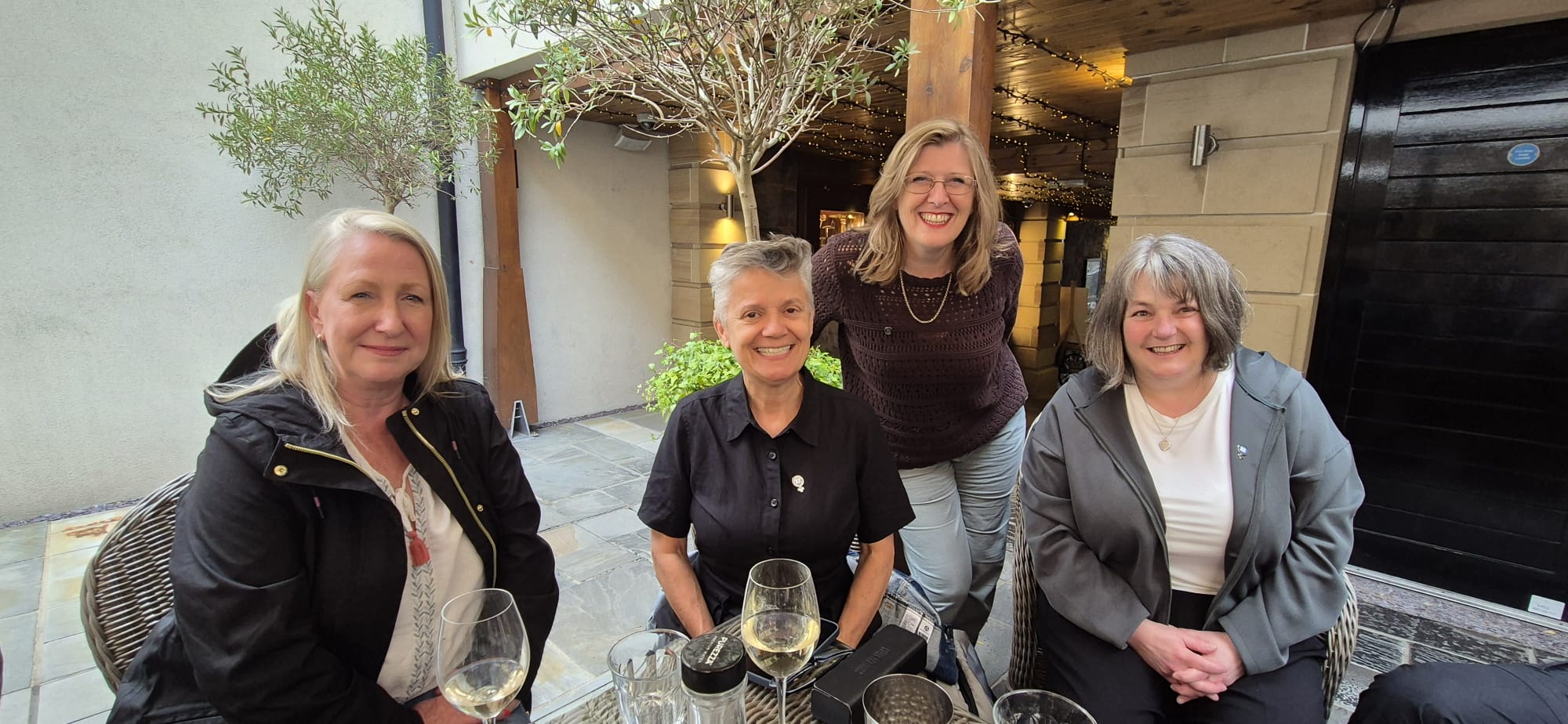
Marion Calder, Karon Monaghan KC, Susan Smith and Trina Budge
See also The Frontline blog on the Edinburgh International Book Festival:
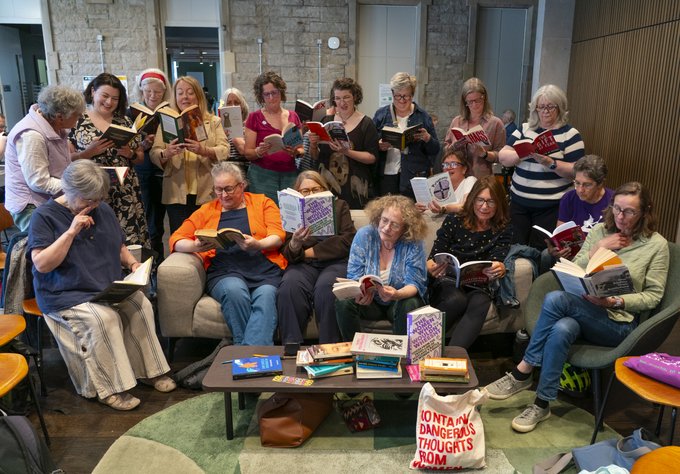
“We were above all unimpressed with the continuing implicit message about the nature of the many women writers and campaigners in Scotland, and beyond, who believe that sex matters for women’s rights, who the EIBF was continuing to ignore. We thought the exclusion of For Women Scotland, who brought the case and saw it through multiple courts over several years, and had written about that for us, was an evident snub here.”